
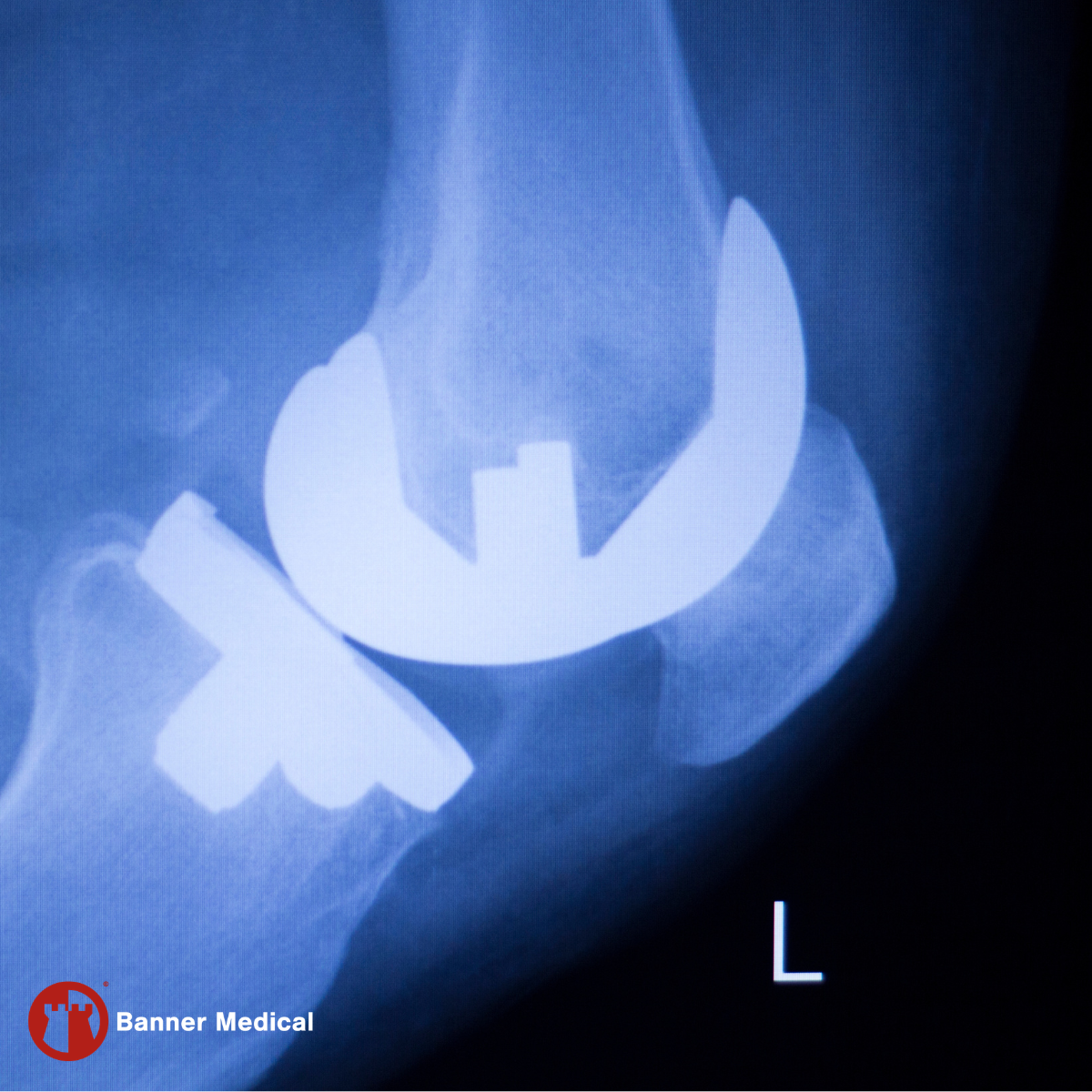
Orthopedic implant manufacturers need materials that support mechanical performance, precision manufacturing, long-term reliability, and extensive regulatory documentation. Titanium and titanium alloys are widely used for orthopedic, spine, trauma, extremity, and dental devices because they offer a valuable combination of strength, corrosion resistance, relatively low weight, and suitability for medical applications.
Typical applications for medical-grade titanium include:
- Orthopedic implant components
- Spinal implant systems
- Trauma fixation components
- Dental devices
- Extremity devices
- Bone screws and fixation hardware
- Precision-machined implant components
- Near-net-shape medical components
The appropriate titanium grade depends on the implant design, mechanical requirements, manufacturing route, and governing specification. Manufacturers must verify the exact alloy, condition, dimensions, testing, documentation, and traceability required for each device program.
Why Does Precision Processing Matter?
Medical-grade titanium may require extensive preparation before it reaches the final machining operation. Outside diameter, straightness, surface condition, cut length, identification, and inspection can all influence downstream manufacturing.
Banner Medical Innovations provides medical-device manufacturers with raw materials, in-house processing, vendor-managed inventory, and value-added services. The company states that its model is intended to provide processing capability, reduce supply-chain complexity, and mitigate sourcing risk.
Available value-added services include:
- Non-destructive testing using ultrasonic immersion, dye penetrant, and fluorescent inspection
- Precision cut-to-length processing
- Waterjet cutting
- Material identification
- Line marking
- Heat treating
- Surface treatments
- Full material traceability
- Support for 510(k) and FDA compliance requirements
Banner Medical Innovations notes that performing multiple services within the same supply chain can reduce freight and logistics costs while supporting faster product realization.
How Do Quality Systems Support Implant Manufacturing?
Quality management is essential when sourcing material for an implantable device. Banner Medical Innovations is an ISO 13485-certified supplier to the medical-device industry. The company states that its processing equipment has undergone IQ, OQ, and PQ validation and that its machining processes maintain the original properties and characteristics of the material.
Material traceability is another key consideration. The company maintains protocols designed to preserve traceability to the melt source and can provide traceability information in standardized or customer-specific formats for OEMs and contract manufacturers. Its value-added services are validated in accordance with applicable FDA, ISO, ASTM, and OEM requirements.
Request a Medical-Grade Titanium Quote
A complete request should include the titanium grade, governing specification, dimensions, tolerances, quantity, processing, testing, marking, traceability, documentation, packaging, and delivery requirements.
Contact Banner Medical Innovations at www.banner-medical.com to request a medical-grade titanium quote and discuss validated processing, ultrasonic testing, precision cutting, material identification, and traceability for your next orthopedic implant program.