
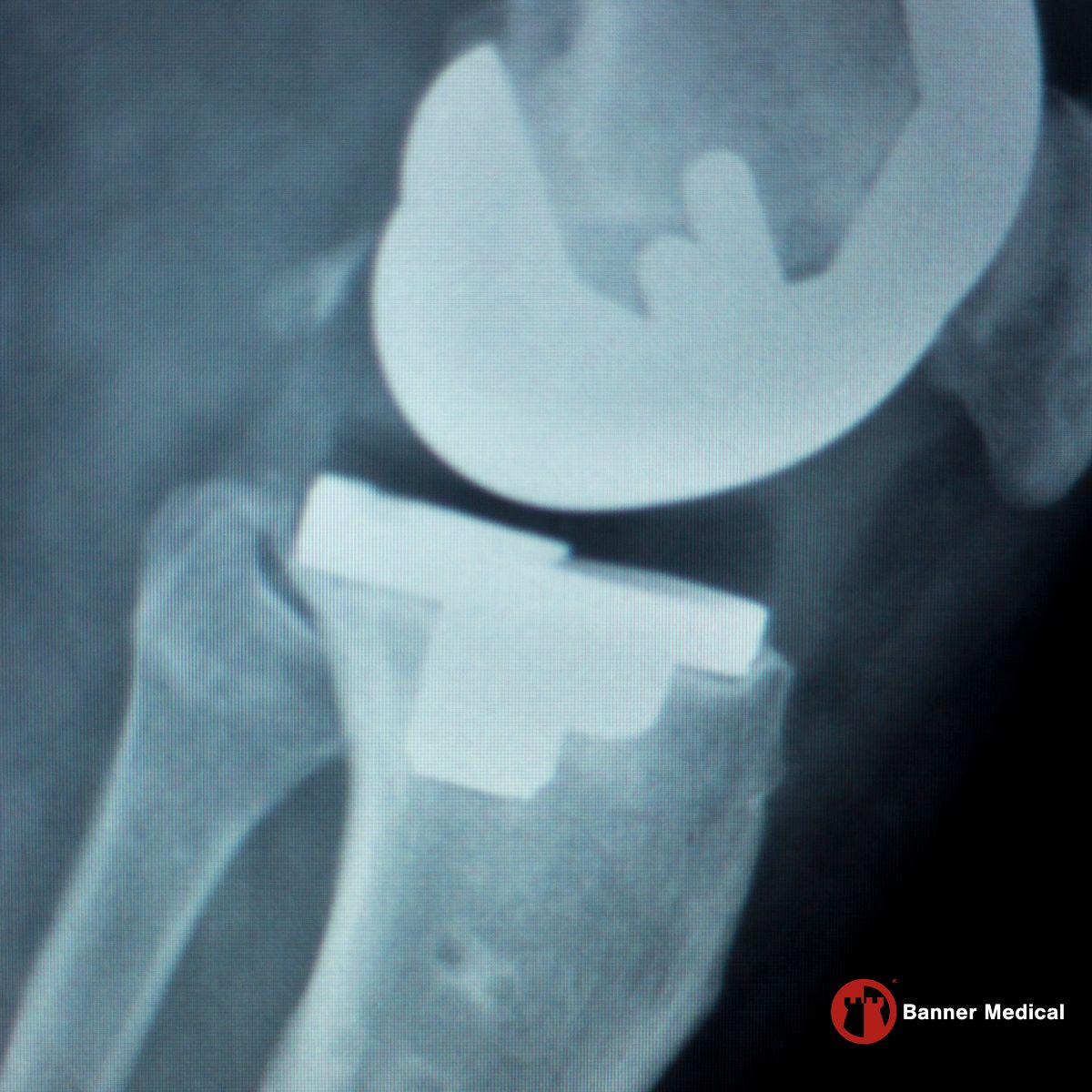
Memphis has become a significant center for orthopedic innovation, with medical manufacturers, suppliers, and healthcare technology companies supporting the development of implantable devices, surgical instruments, spinal systems, and trauma fixation products. For manufacturers operating in this environment, material consistency is not just a purchasing requirement. It is a critical part of quality planning, production control, and long-term device performance.
Titanium alloy bar is widely used across orthopedic manufacturing because it offers a strong balance of mechanical performance, corrosion resistance, and biocompatibility. These characteristics make titanium an important material option for applications where strength, weight, and compatibility with the human body must all be considered during design and production.
Banner Medical supports medical device manufacturers with quality-focused material solutions, documentation support, traceability, and processing capabilities designed for regulated manufacturing environments. For orthopedic programs, that support can help manufacturers maintain confidence from material qualification through production.
Why Titanium Alloy Bar Matters in Orthopedic Manufacturing
Orthopedic device manufacturers require materials that can support demanding performance expectations while also aligning with strict quality and documentation requirements. Titanium alloys are often selected for orthopedic and spinal applications because they combine high strength with relatively low weight, good fatigue behavior, and corrosion resistance.
Common considerations for titanium alloy bar in medical manufacturing include:
These characteristics make titanium alloy bar an important material choice for components that must perform reliably in highly engineered medical devices.
Supporting Orthopedic Implant and Spinal Device Applications
Orthopedic and spinal devices often require materials that can be machined, inspected, and processed consistently across production runs. Titanium alloy bar may be used to support a wide range of implantable and surgical applications where dimensional control and mechanical reliability are essential.
Potential applications include:
- Orthopedic implant components
- Spinal fixation systems
- Trauma plates, screws, and rods
- Joint reconstruction devices
- Surgical instrument components
- Precision-machined medical hardware
In these applications, dependable raw material sourcing can support manufacturing repeatability, qualification activities, and the documentation expectations common to regulated medical-device programs.
Why Traceability Matters
Medical-device production requires more than material performance alone.
Banner Medical’s medical-focused content highlights the importance of:
- Traceability
- Documentation support
- Quality systems
- Controlled processing
- Regulatory compliance support
These characteristics help medical manufacturers maintain confidence throughout qualification and production activities.
Precision Processing for Medical Manufacturing
Medical-device manufacturers often look for suppliers that understand the complexities of regulated manufacturing.
Banner Medical provides processing services that support medical-grade materials and quality-focused production environments. Those services help manufacturers align incoming material with downstream machining and finishing requirements.
San Jose’s Innovation Economy
San Jose remains one of the world’s leading centers for advanced technology and engineering innovation. Increasing collaboration between technology companies, medical manufacturers, research organizations, and healthcare innovators continues supporting growth in sophisticated medical-device development.
For manufacturers operating in these markets, access to dependable specialty materials can support both production continuity and product-development objectives.
Supporting Next-Generation Medical Devices
As neurovascular and minimally invasive technologies continue evolving, demand for specialized medical-grade materials is expected to remain important.
Nitinol remains an important material in advanced device design, and manufacturers benefit from working with medical-focused partners that understand the documentation, traceability, and quality expectations associated with regulated medical manufacturing.
Call to Action
Need a medical-focused materials partner for neurovascular devices or minimally invasive medical technology applications? Contact Banner Medical to discuss documentation requirements, available material solutions, precision processing capabilities, and supply-chain support. Visit https://banner-medical.com/ or request a quote at https://banner-medical.com/request-quote/.